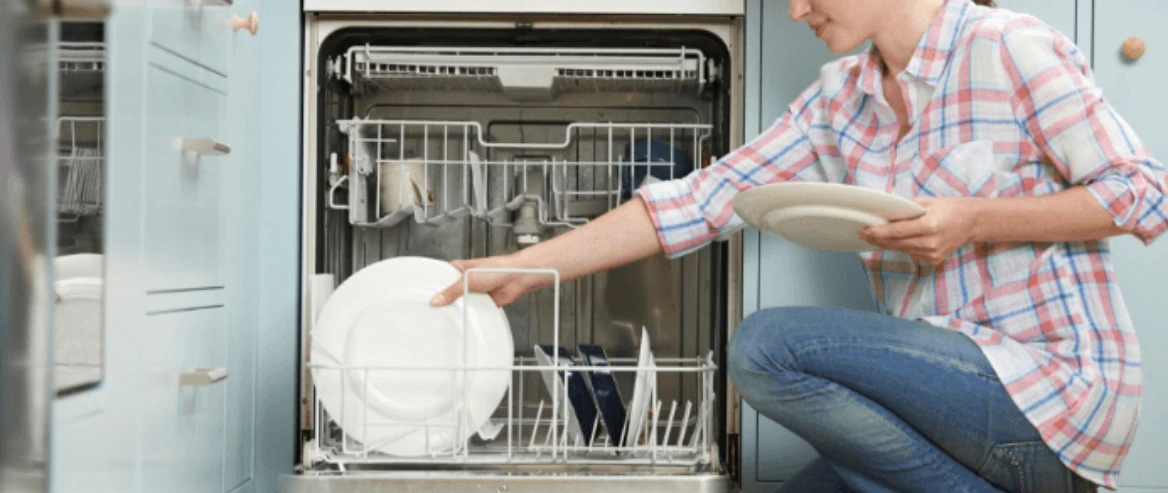
Your dishwasher saves you from hours with your hands in the sink, and it’s time to return the love. If you want your dishwasher to perform better and last longer, you need to quit doing one dishwashing sin we’re all guilty of committing. Stop overloading your dishwasher!
Just one more plate …
Loading your dishwasher to maximum caacity might seem like a great idea, but when plates are stacked too close together, they won’t wash properly. The water jets need to get in between each individual plate or bowl and when the dishwasher is overloaded, this can’t happen.
Think twice before putting one more plate in. You may have to re-do the whole load if it hasn’t cleaned properly!
Quick Summary – Dishwasher Mistakes to Avoid
- Don’t overload: Plates & bowls need space so water jets reach them.
- Clean regularly: Remove food scraps; empty filter; run empty cycle with white vinegar.
- Rinse/use rinse aid: Scrape food before loading; cloudy glasses? Add rinse aid.
- Choose the right cycle: Hot/long cycles clean better than quick washes.
Gain more home cleaning tips by checking the Electrodry blog.
Common Mistakes You're Making with Your Dishwasher
1. Not cleaning the cleaner
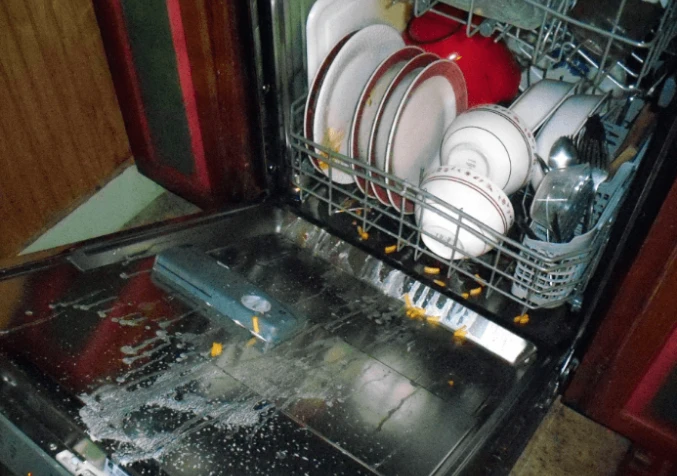
Clean food scraps out of the bottom of the dishwasher. Empty out the filter: Your dishwasher probably has a filter at the bottom, under the rotating arm. This will probably be a removable cylindrical piece that twist-locks into place. Check your dishwasher’s instruction manual if you’re unsure whether you have a self-cleaning filter or a manual filter. Once a week, fill a cup with white vinegar, place it on the top rack and run an empty cycle. It will make your dishwasher work much more efficiently while removing odours.
2. Forgetting to rinse
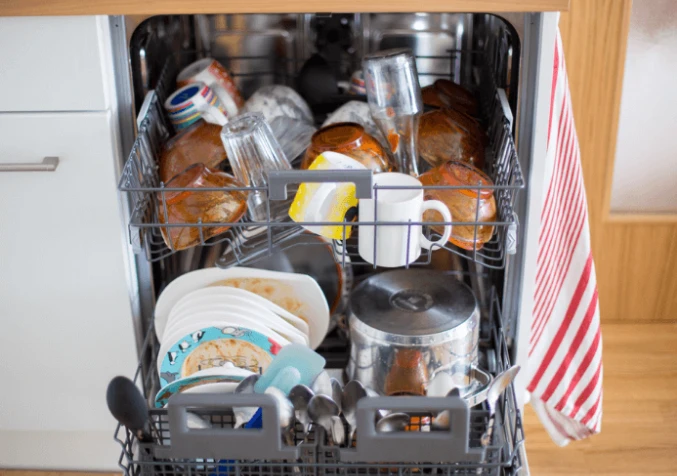
Dishwashers work hard, but they will struggle to remove food that is caked onto pots and plates. Always scrape food scraps off the crockery and consider giving them a rinse and including rinse aid during the cycle.
Did you know that white vinegar can be used as a rinse aid? Whether you’re buying the fancy blue stuff or using cheap-as-chips vinegar, it’s important to use something to rinse the dishes.
Rinse aid reduces water spots, which can occur if you have hard water. You’ll know the dishwasher needs a rinse aid top-up when glasses start coming out of the wash looking foggy.
3. Cycle sins
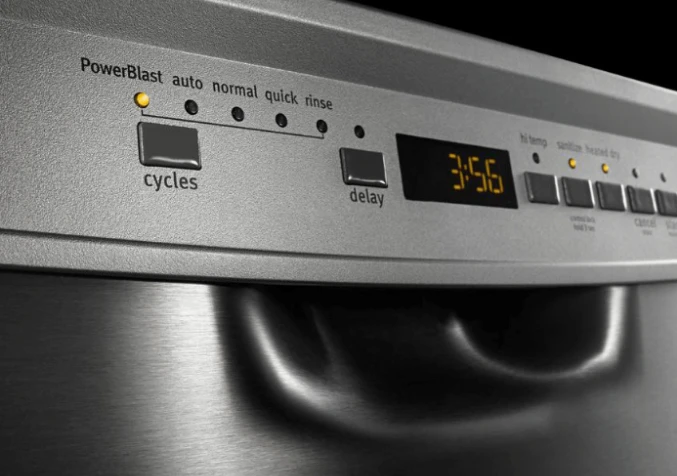
Using the “normal” cycle button on your dishwasher will generally get you where you want to go. But there are times that you’re going to need a little more oomph. It’s worth pulling out the dishwasher manual or googling your model to figure out what the different settings do.
Basically, a slightly hotter temperature will help clean particularly stubborn grime. Turning up the heat can also be useful if someone in your house is sick: 68.3 degrees Celsius will sanitise bacteria and stop germs from spreading.
You probably also have a “quick wash” setting. It can be tempting to get the dishes done quickly but be prepared - it’s probably not going to cut it if you’re trying to wash a saucepan crusted with a cheesy white sauce.
Another quick tip? The rinse setting is great for if your dishwasher is only half full but you don’t want the gunk to dry on the plates!
