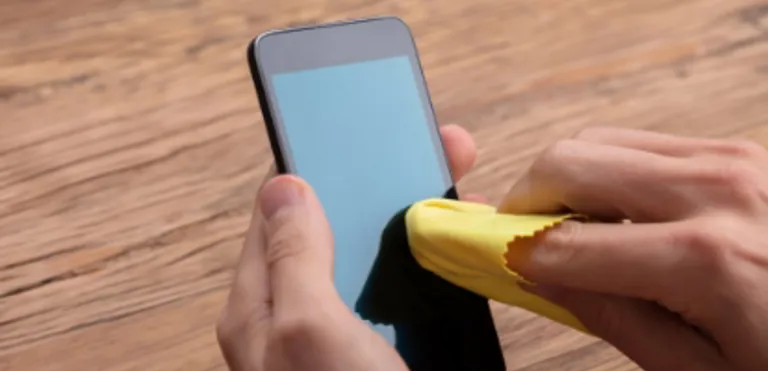
Fed up with irritating scratches on your glasses, phone screen, watch, car, or stainless steel appliances?
Before you rush to replace them, consider an affordable and surprising solution – toothpaste! That's right; toothpaste isn't just for teeth; it's a remarkable scratch remover for various surfaces.
Quick Summary – Toothpaste Scratch Fix
- Use plain, non-gel toothpaste (no whitening).
- Buff light scratches on phones, glasses, stainless steel.
- Works only on shallow marks—test first.
- Won’t fix deep scratches, may worsen them.
For lasting results, trust professional care.
How Toothpaste Works as a Scratch Remover
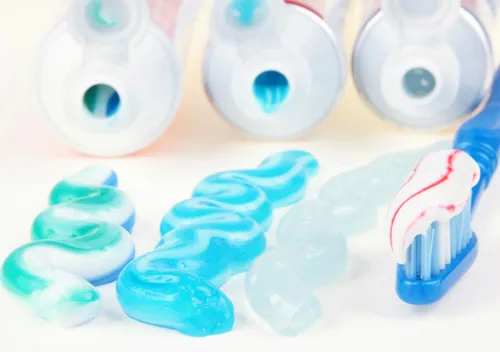
Toothpaste, especially the paste-based variety, contains mild abrasives that act as fine polishing agents.
When applied to a scratched surface, the toothpaste works by gently wearing down the uneven edges of the scratch, making it less visible or even removing it entirely.
However, it's essential to exercise caution during this process, as using the wrong technique or a highly abrasive toothpaste can potentially cause more harm than good, leaving you with a dulled finish or additional scratches.
How to Pick the Perfect Toothpaste for Scratch Fixes
Not every toothpaste is suitable for removing scratches, and using the wrong one can actually make the problem worse. Toothpaste works because of its mild abrasives, but you need to select a type that is gentle enough to polish without damaging the surface. Here’s what to keep in mind:
1. Type of Toothpaste
-
Use: Plain, paste-based toothpaste (not gel).
- Avoid: Whitening, tartar control, or multi-action formulas, as they are usually more abrasive or contain chemicals that can damage coatings.
2. Abrasiveness (RDA Value)
-
Safe range: Below 70–80 RDA (Relative Dentin Abrasivity).
-
Higher RDA values risk dulling or scratching the surface further.
-
Low RDA values may not polish effectively.
3. Surface Sensitivity
Different materials require different levels of care:
-
Glasses and phone screens: Only very mild, non-abrasive pastes should be used.
-
Watches and stainless steel: Can tolerate slightly stronger abrasives.
- Car paint: Extremely delicate - only attempt minor, shallow marks and always test in a hidden spot first.
4. Ingredients to Avoid
-
Baking soda-heavy formulas, which are often too gritty.
-
Charcoal toothpastes, which are highly abrasive.
-
Products with peroxide or bleaching agents, which may cause chemical damage.
5. Always Test First
Before applying to the full surface, conduct a spot test in a discreet area. If the finish turns dull or cloudy, discontinue use immediately.
Rule of Thumb: Choose a plain, white, paste-based toothpaste with a low RDA, free from whitening or advanced formulas, and apply it gently.
Choosing the Best Toothpaste for Removing Scratches
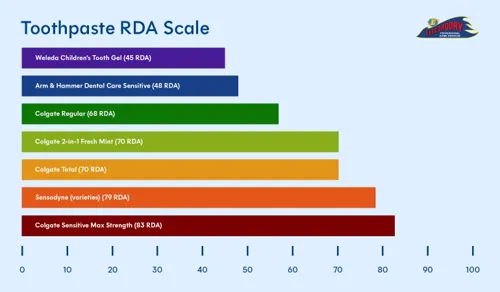
| Toothpaste Brand / Type | RDA Value | Suitable for Scratch Removal? | Notes |
|---|---|---|---|
| Weleda Children’s Tooth Gel | 45 | Yes | Very gentle, good for glasses and screens |
| Arm & Hammer Dental Care Sensitive | 48 | Yes | Mild, safe for delicate surfaces |
| Colgate Regular | 68 | Yes | Within safe range, effective on light marks |
| Colgate 2-in-1 Fresh Mint | 70 | Yes (with care) | On the upper limit of safe abrasiveness |
| Colgate Total | 70 | Yes (with care) | Use gently; test first |
| Sensodyne (varieties) | 79 | No | High abrasiveness; avoid for delicate surfaces |
| Colgate Sensitive Max Strength | 83 | No | Too abrasive, may cause further damage |
Toothpaste abrasiveness is measured by RDA (Radioactive Dentin Abrasiveness), with lower values (below 70-80) indicating less abrasive toothpaste.
For scratch removal purposes, it's best to opt for toothpaste with an RDA below 70-80. Stay away from advanced toothpaste products designed for whitening, plaque removal, or sensitive teeth, as they tend to be more abrasive.
For more information on toothpaste abrasiveness, you can refer to the British Dental Association.
Removing Scratches from a Phone Screen
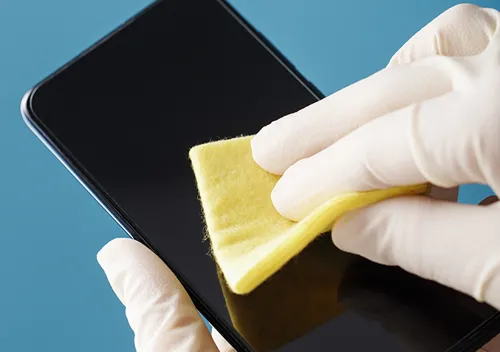
What you need:
- Soft cloth
- Paper towel
- Cotton swab or toothbrush
- Non-abrasive toothpaste
The Process:
- Apply a small amount of non-abrasive toothpaste to a soft cloth or cotton swab.
- Using gentle, circular motions, rub the toothpaste onto the scratched area of your mobile phone screen.
- Be patient and avoid applying too much pressure.
- Clean the screen with a clean cloth, and voilà, the scratches should be less noticeable or completely gone!
Things to Note:
-
Toothpaste can damage modern phone coatings (oleophobic or tempered glass), so it’s best avoided on newer models.
-
Toothpaste only works on shallow scratches - if your fingernail catches, the mark is too deep.
-
A tempered glass screen protector can hide light scratches and stop new ones forming.
-
For lasting results, professional repair or replacement is the safer choice.
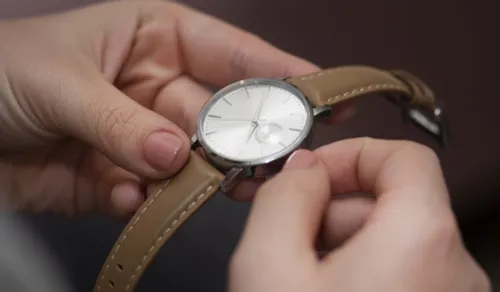
How to remove scratches from a watch face using toothpaste
What you need:
- Microfibre cloth
- Paste-based (not gel) toothpaste
The Process:
- Inspect the watch under a bright light to locate the scratches.
- Cover the bezel of the watch with narrow masking tape to protect it from damage.
- Squeeze a small amount of toothpaste onto the watch face and gently rub it into the scratches using your finger.
- Wait a few minutes, then polish the watch's face with a clean cloth using circular motions.
Things to notice:
-
Works best on acrylic or plastic watch faces.
-
Won’t improve scratches on sapphire crystal (common in higher-end watches).
-
Always protect the bezel with tape before polishing to avoid extra marks.
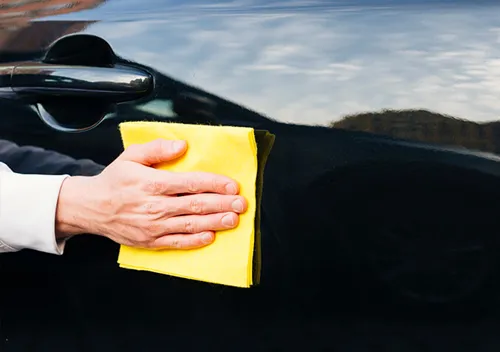
Removing Car Scratches
What you need:
- Paste-based (not gel) toothpaste
The Process:
- Apply a small amount of toothpaste to a cloth.
- Rub the toothpaste gently and evenly along the scratch in a circular motion.
- For small and shallow scratches, cleaning should be relatively easy.
- Larger scratches may require more pressure and time for effective results.
- Take your time, especially for badly rusted scratches.
Things to note:
-
Toothpaste only helps with tiny, shallow surface marks.
-
It will not repair deep scratches or chips in the paint.
- For larger or deeper damage, use a scratch repair kit or seek professional detailing.
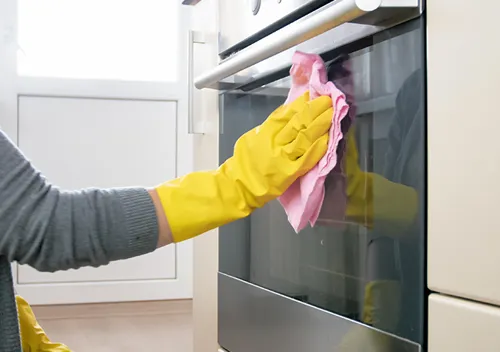
Buffing Out Scratches from Stainless Steel Appliances
What you need:
- Microfibre cloth
- Toothbrush
- Paste-based (not gel) toothpaste
The Process:
- Apply a small amount of toothpaste to a microfiber cloth.
- Gently rub the toothpaste back and forth over the scratch, following the direction of the metal's grain.
- Wipe the surface with a fresh, barely damp microfiber cloth to remove any toothpaste residue.
- Repeat the process if necessary until the scratches are no longer visible.
Things to note:
-
Always polish in the direction of the metal grain, not against it.
-
Best for light scuffs; deep gouges may need a specialist stainless steel polish.
-
Wipe thoroughly afterwards to avoid dull residue marks.
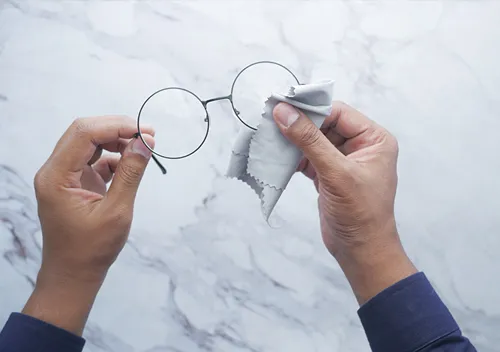
Removing Scratches from Eyeglasses
What you need:
- Non-abrasive toothpaste
- Damp microfibre cloth
The Process:
- Use a clean microfiber cloth to remove dust particles from the lenses.
- Apply a small amount of toothpaste to the lenses.
- Using circular motions, gently rub the toothpaste on the scratches for 2 to 3 minutes.
- Remove the toothpaste from the lenses using a clean microfiber cloth.
- Optionally, rinse the lenses with cold water and then dry them with a cloth.
Things to note:
-
Not suitable for lenses with anti-glare or scratch-resistant coatings, as toothpaste can strip or cloud them.
-
Only useful for very fine surface marks.
-
For coated or expensive glasses, replacement or professional repair is safer.
Final Words
Toothpaste is not just for maintaining your oral hygiene; it can also be an effective scratch remover for various surfaces.
By following the tips and techniques outlined in this article, you can say goodbye to those irritating scratches and enjoy your sparkling, scratch-free items without spending a fortune.
Remember always to use non-abrasive toothpaste and gentle motions to ensure the best results. Happy scratch removal!
