
They say the disposable wipe is man’s best friend; from germaphobe office workers to new fathers gagging their way through stinky nappies, wipes have become something we can’t live without. They are an advertiser’s dream, marketed to our paranoia of germs and dirt smells, as they come infused with scented oils, pH-balanced and dermatologist-approved.
Don’t believe the BS! Our global obsession with wipes is clogging the sewage systems, littering beaches, and seriously affecting our skin. It’s time for everyone to get more involved and ditch the wet wipe. Let’s take a stand for our environment and make clean up Australia.
Quick Summary – Wet Wipes: Don’t Believe the Hype
- Claim: Marketed as flushable + convenient for fast clean-ups.
- Reality: Don’t break down—can clog toilets and sewer systems.
- Tip: Switch to reusable or biodegradable cloths for safer, greener cleaning.
Need peace of mind for your carpets or fabrics? Book Electrodry Carpet Dry Cleaning or call 13 27 13.
What's the problem with wet wipes?
While toilet paper starts to break down after 30 seconds in water, wipes can take years to degrade, if ever. To make matters worse, wipes start to bond together in sewage pipes, capturing fat and grease, creating massive blockages in the sewage system, sometimes referred to as “fatbergs”. In the UK, a fatberg the size of a 747 caused a sewer blockage in West London, and the main component of this fatberg was, you guessed it, wipes!
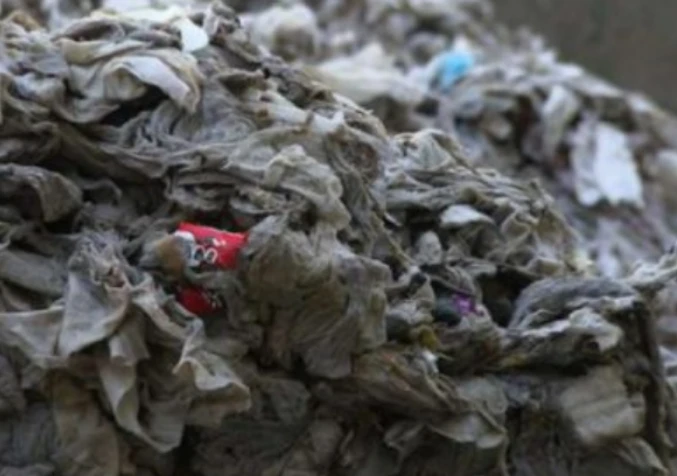
While major fatberg outbreaks have yet to occur in Australia, sewage treatment plants are under constant pressure to keep their systems free of wet wipes. b, with the waste management systems of every state pleading for us to stop putting baby wipes down the toilet. Wipes are also surging up the income stream for plumbers as wet wipes clog sewage pipes, creating smelly plumbing problems in homes across Australia.
What are wet wipes made of?
Wet wipes are usually made from long plastic fibres of polypropylene or polyester and a cellulosic material such as wood pulp, cotton or rayon. The ingredients are pressed into sheets and then loaded with anti-microbial cleaning solutions. The contents vary from manufacturer to manufacturer, but the percentage of plastic in the wipe has the greatest impact on the wet wipe's degradability.
According to experts, the most popular wet wipes are made up of up to 3 quarters polyester. The plastic makes the wipes stronger but also means they do not break down, blocking sewage systems and littering our oceans and rivers.
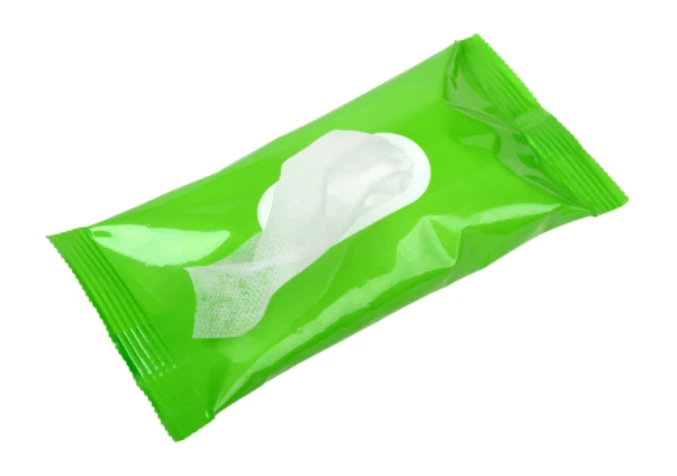
The other major concern with using wet wipes or baby wipes is the increased incidence of skin reactions. There have been numerous studies linking the chemicals used in wet wipes and baby wipes to skin issues. In the UK, the British Association of Dermatologists have dedicated their conferences to the impacts of wipes on the skin, and with the horrible range of chemicals present in most wipes, you quickly understand the reason for their concern.
Chemical to Look Out for When Choosing a Wet Wipe
- Parabens - These impact hormone activity and impact male fertility in addition to being detected in breast cancer tissues.
-
Methylisothiazolinone (MI) - A preservative used in wipes that has been linked to terrible eczema and dermatitis issues. Currently being banned from wipes in the EU
-
2-bromo-2-nitropropane-1-2-diol - This chemical releases formaldehyde, which is an irritant to the skin, eyes and lungs, as well as being a carcinogen
-
Malic Acid - Skin irritant that should not be used aroundthe eyes
-
Propylene glycol - This chemical increases the ability of the skin to absorb other chemicals as well as being an eye and lung irritant
-
Alkyl Dimethyl Benzyl Ammonium Chloride - A skin, immune and respiratory irritant.
-
Tocopheryl Acetate - An allergen and skin irritant
What can I use instead of wet wipes?
There are some environmentally friendly baby wipes out there, but I should point out that they are more expensive than the “plastic fantastic” version. Based on our research and my experience as a parent of 2 young kids, I recommend bamboo-based baby wipes. They’re very strong, totally degradable and made from a renewable resource, but still not suitable for being put down the toilet.
