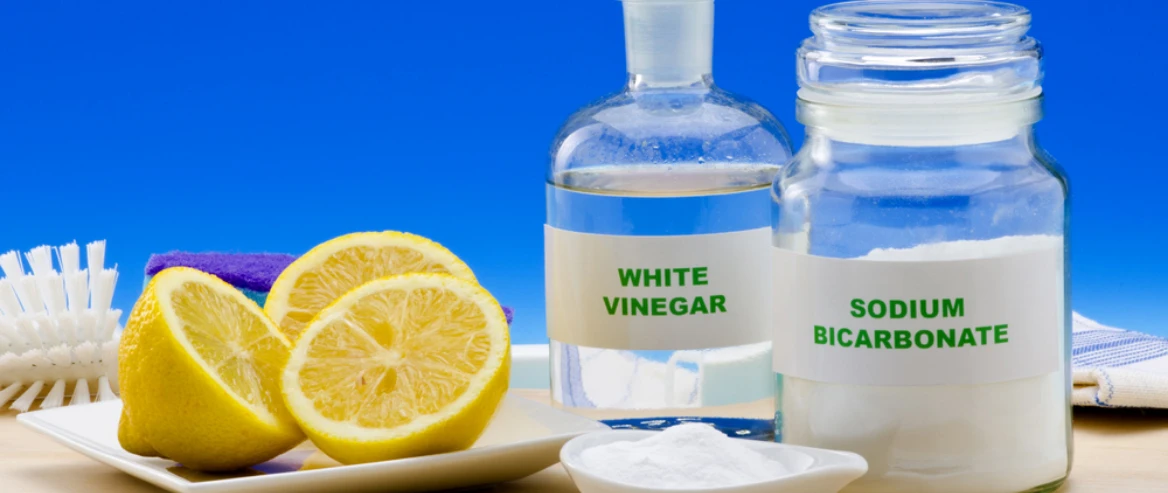
Saving money on cleaning solutions and reducing the amount of toxic cleaning chemicals go hand in hand.
Switching to a combination of lemons, bi-carb soda and vinegar makes for a safe, effective way of cleaning that will keep a little extra money in your pocket and minimise the buildup of harmful chemicals in your home.
Quick Summary – Clean with Lemons, Vinegar & Bi‑Carb
Vinegar: Spray neat on benches, shower heads, microwaves to cut bacteria, odour + limescale.
Bi‑carb soda: Paste or sprinkle to lift grime on mugs, pans, tiles + upholstery.
Lemon: Scrub boards with salt, freshen fridges, brighten whites, shine taps.
Caution: Don’t use on waxed wood or unsealed stone – it may damage surfaces.
Check Electrodry's blog for more DIY cleaning tips.
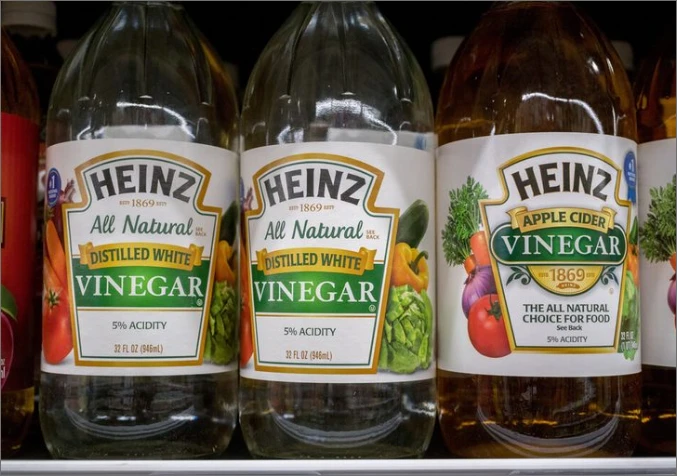
12 Things You Can Clean With Vinegar
-
Benches, stoves and chopping boards - Spray vinegar full strength onto them to kill lingering bacteria and eliminate pungent odours.
-
Microwave - Fill a bowl with equal parts vinegar and water turn the microwave on high for 2 minutes. Wipe down to finish.
-
Drinking glasses - Pour a cup of vinegar into the bottom of the dishwasher. Turn the dishwasher on and be amazed by how much your glasses sparkle.
-
Showerhead - Fill a plastic bag with white vinegar and wrap it around the shower head. Let it soak overnight and wake up to a clean and gunk-free shower head.
-
Walls and shower curtains - Spray the walls and shower curtains with an equal parts water and vinegar solution to remove and prevent the growth of mould and mildew, plus remove water stains and soap scum.
-
Mirrors - Spray bathroom mirrors with equal parts vinegar and water, let it sit for a few minutes and wipe down with a microfiber cloth.
-
Clothes - Vinegar is a versatile product in the laundry. You can use it to treat stains, as a fabric softener and make clothes colours more vivid by breaking down detergent residue from clothes.
-
Washer - Pour a cup of vinegar into an empty washer and run normally. Rinse and wipe down to finish.
-
Glass - Like mirrors, the vinegar-and-water solution also works wonders on glass windows. Just spray, let it sit and wipe down with a microfiber cloth.
-
Hardwood - Pour in half a cup of white vinegar in a gallon of warm water for a great hardwood cleaner that removes wax build-up. And because of that, avoid using it on floors with a waxed finish.
-
Brass - Brass fixtures and candlesticks can be cleaned with vinegar. Simply rub or soak the pieces in vinegar to remove grime build-up.
-
Furniture - Mix 1/4 cup vinegar with a few drops of oil, then wipe furniture for a shiny finish.
8 Ways to Clean With Bicarb Soda
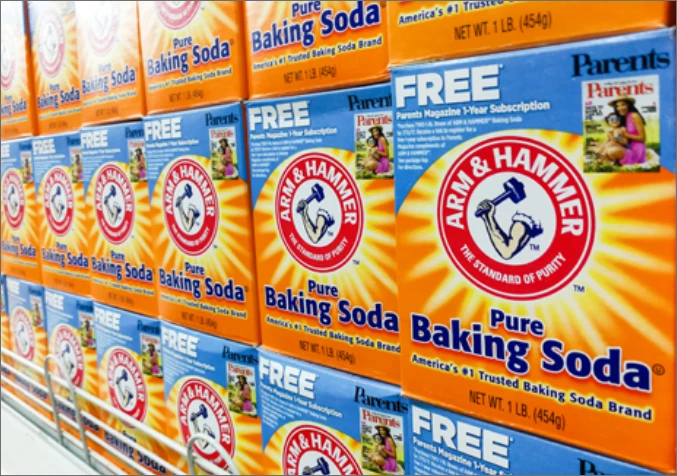
Bicarb soda is basically a type of salt. It is able to absorb odours and remove tough stains and grime due to its abrasive quality. It is also a mild disinfectant that keeps bacterial growth at bay.
-
Mugs - Sprinkle one part of bi-carb soda and two parts of water, and let it sit overnight. Scrub and rinse in the morning to remove stubborn coffee stains.
-
Pots and pans - Sprinkle bi-carb soda on pots and pans, add hot water and a few drops of liquid dish detergent. Let it sit overnight and easily scrub the burnt food away in the morning.
-
Oven - Mix liquid dish detergent, bi-carb soda and salt to make a paste and coat the interior of your oven. Leave overnight and sponge away the grease and grime with a sponge dipped in warm water.
-
Hairbrush and combs - Clean and disinfect combs and brushes by soaking them overnight in a glass of warm water sprinkled with bicarb soda. Rinse the next day to have clean brushes and combs. You can also use this to clean and freshen up toothbrushes.
-
Clothes - Much like vinegar, bi-carb soda can do a multitude of things in the laundry. It brightens whites and colours, softens fabric, neutralises acids and deodorises clothes.
-
Carpet and upholstery - Funky odours coming from upholstery and carpets can easily be remedied with bi-carb soda. Mix a few drops of your favourite essential oil in a box of bicarb soda. Sprinkle generously over carpet and upholstery and leave it for several hours. Vacuum off the bi-carb soda for fresher carpets and upholstery.
-
Tile floors - Bicarb soda is a great way to clean tiles without risking scratches. Mix half a cup of bi-carb soda in a bucket of water, mop the floor and rinse.
-
Walls - Stains and marks on walls can be removed with the use of bi-carb soda. Create a paste with liquid dish soap, water and bi-carb soda and coat the stains on the wall. Wipe the area clean as soon as the paste dries. Not advisable for coloured walls as this method may cause colours to fade.
13 Things You Can Easily Clean With Lemon
Like vinegar, lemon is also acidic in nature. Giving it the ability to cut through grease and grime and eliminate germs and bacteria. The best part about lemons is that it banishes odours without the strong scent of vinegar.
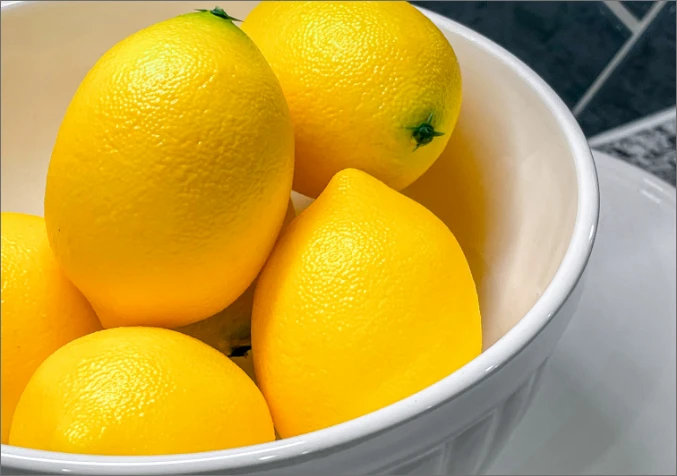
- Chopping boards and kitchen sink - With lemons, you don’t even need a sponge to clean cutting boards and kitchen sinks. Just cut a lemon in half, dab in a bowl of salt and scrub cutting boards and the kitchen sink to clean, freshen and disinfect them.
-
Microwave - Deodorise and clean the microwave by cutting up a lemon into thin slices and placing them in a bowl of water. Put that bowl in the microwave and run it on high for a couple of minutes to dissolve grease and food splatters. Wipe the interior of the microwave clean. This works equally well for regular ovens.
-
Refrigerator - Pongy-smelling refrigerators just don’t seem like a good way to store food. Cure this by placing cotton balls soaked in lemon juice in the fridge to remove the odours.
-
Faucets - Water, stains and soap scums can be removed by rubbing the faucets with lemon juice. Let it sit overnight and rinse in the morning to have sparkling tapware.
-
Grout lines - Create a paste by mixing lemon juice with a teaspoon of cream of tartar. Brush the stained grout lines with a toothbrush then rinse to make them bright again.
-
Mirrors - Mix 2 tablespoons of lemon juice with a litre of water and spray on the mirror. Wipe clean with a microfiber cloth.
-
Clothes - Lemon is another handy item to have in the laundry room as it can help you remove stains and whiten clothes.
-
As a natural bleach alternative - Add a cup of lemon juice to your load along with your usual detergent. Removes stains and makes whites brighter. Best of all, unlike bleach, lemon juice is safe for coloured clothes too!
-
Rust stains - Apply some lemon juice to the stain, sprinkle with cream of tartar and gently rub into the fabric. Let the solution sit, then wash normally.
-
Mould and mildew remover - Mould and mildew remover - Create a paste of lemon and salt and coat the stain. Leave it under the sun to dry out and wash.
-
Glass windows - Similar to how you clean mirrors. Just spray the solution to glass windows, leave it to dissolve gunk for a few minutes then rinse off and wipe dry.
-
Wood furniture - Mix equal parts lemon juice and salad oil to make scratches on wood furniture disappear. Then use the same solution to polish furniture to shine like new.
-
Trash bins - What to do with leftover lemon and its peels? Use them to deodorise the trash bin. Just throw them in there and let them battle the pungent odours.
