What to Do About Mould Spots Around Your Home?
Published on Jun 21, 2024 | Updated - Jul 18, 2025


Have you noticed mould spots appearing on your windows and curtains over the last few weeks? I certainly have! Mould is not only ugly but also unhealthy. If you're house-proud like me, mould screams "dirty house," and I hate it!
So, what can we do about these mould spots?
To treat the problem, we need to understand what’s triggering mould growth in your home. Next, we need a strategy to tackle the visible mould and prevent it from coming back.
Quick Summary – What to Do About Mould Spots
- Identify: Mould thrives in damp, dark, poorly ventilated areas - tackle the root cause first.
- Hard surfaces: Spray 2:1 vinegar-water or 1 tsp tea-tree oil:1 cup water; wait 1 hr, re-spray, wipe.
- Fabrics: Soak curtains in oxidiser + ½ cup vinegar 4–6 hrs, then wash.
- Soft items: Hot wash toys/blankets with vinegar or tea-tree oil; bin if mould persists.
- Prevent: Boost sunlight, airflow, and use dehumidifiers or desiccants in trouble zones.
Still stucked? Book Electrodry Mould Removal service or call 13 27 13.
What causes household mould spots?

- Reduced natural sunlight with shorter days
- Minimal airflow as we close our windows to keep out the cold
- Condensation that form on windows (and sometimes walls) due to the difference between the internal and external air temperatures
- Moisture from hot showers and clothes dryers
Where is mould most likely to grow?
Mould loves dark and poorly ventilated areas, which is why you often find mould spots on curtains in the corners of rooms. Mould is also likely to colonise other soft furnishings such as lounges, soft toys, bedding, carpets, and rugs. Mould on window frames and bathroom ceilings is common during winter due to condensation.
How to Treat Visible Mould
Remember that bleach does not kill mould! The spots we see are actually mould waste or a by-product. Bleach hides the mould waste but doesn’t kill the mould itself. So, we recommend treating the mould first and then using bleach if you wish.
1. Walls and Ceilings

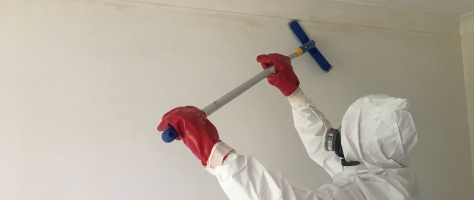
You don’t need to get dressed up in a suit like the Electrodry mould removal guys to treat a small bit of mould. If you have mould in a small section of your ceiling or wall, we recommend:
Spray the area liberally with diluted white vinegar (2 parts water and one part vinegar) or a solution of 1 teaspoon of tea tree to a cup of water. Both Tea Tree oil and white vinegar are very effective mould killing solutions. Allow 1 hour for the solution to kill the mould, then re-spray and wipe down the area to remove the mould.
If a mould stain remains after the initial treatment, we recommend using sugar soap to remove the stain. Alternately, now that the mould has been killed, you can use a chlorine based “mould killer” as the chlorine will help with the stains.
Important Fact: Bleach does not kill mould, it simply takes the colour out of the visible mould to hide the problem. Off the shelf mould treatment products such as exit mould should only be used to treat the mould stain after the mould has been treated with an effective mould killer such as vinegar or tea tree oil.
2. Curtains, Blinds, and Drapes
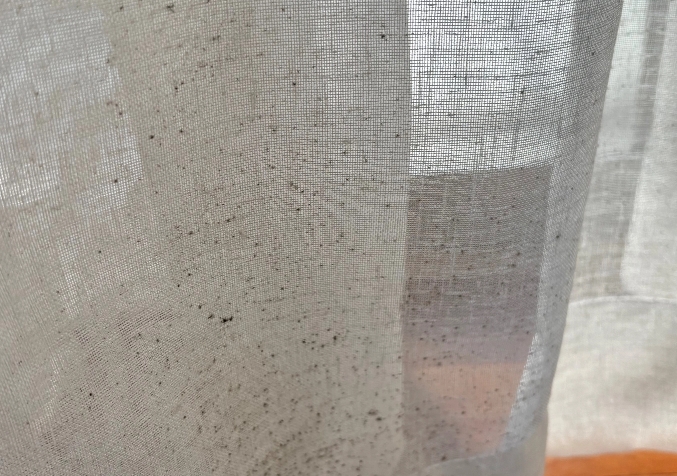
Soak the curtains with an oxidising agent such as Nappy-San or Vanish Oxy-Action with half a cup of vinegar for 4 – 6 hours and wash in the washing machine on a delicate cold water cycle. The oxidising agent will help remove the staining whilst the vinegar will kill the mould spores and help prevent re-growth.
3. Soft Toys

Just like your curtains, soak these items for a few hours in a bucket of hot water with either a cup of vinegar or a tablespoon of tea tree oil, a small amount of Napisan, and a dash of dish-washing detergent. Squeeze the items dry and hang them in the sun. The vinegar will kill most mould types, while the Napisan will help with discolouration.
4. Lounges, Carpets, and Rugs
Whilst professional cleaning is the only way to treat the mould stains, you can put the brakes on mould growth by using a spray with 1 cup of white vinegar and 2 cups of water.
Mould on carpet is usually an indicator of moisture either in the carpet or subfloor and we recommend lifting the carpet in that area to inspect to find the cause of the mould.
NB: Unfortunately, mould stains on natural fabrics such as cotton or wool are almost impossible to remove.
RECOMMENDED SERVICE
Electrodry Mould Removal - Clean Unsightly Mould in 1 Day5. Beddings
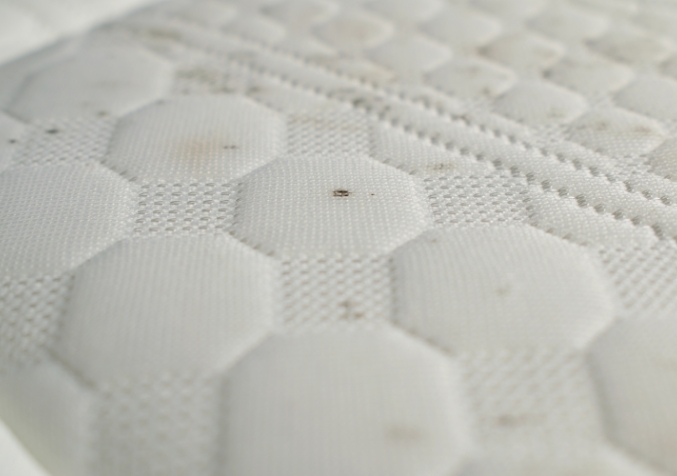
If you’ve noticed mould spots on dunnas and blankets, wash these in a hot water cycle with either 1 cup of vinegar or a tablespoon of tea tree oil. If mould spots remain after cleaning, try soaking the affected area with Napisan.
If you’ve got mould spots on your pillows or mattress we recommend replacing these items as the mould will be growing in the padding and may be a health concern.
If mould spots remain after cleaning, try soaking the affected area with Napisan.
Prevention Tips

Once you’ve treated the mould, how do you stop it from coming back? During winter, this can be hard, but here are our top tips:
- Let the light in. Allow as much natural sunlight as possible.
- Open windows for airflow.
- Use desiccant dehumidifiers such as DampRid in cupboards and other out-of-the-way areas where mould tends to grow in your home.
- Run Dehumidifiers when the house is closed up: If you have ongoing mould issues, we recommend investing in a dehumidifier and running this when the room or house is closed up.
- Treat the mould early. Don’t let it get away from you.
Featured Electrodry Mould Cleaning Locations