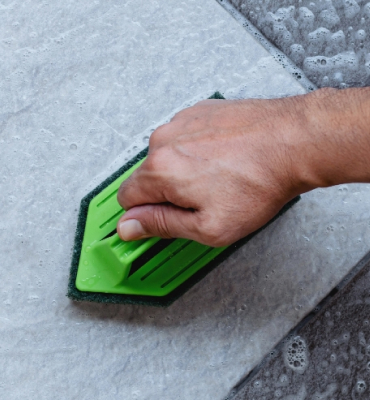
Do you find that your tiles always have a hazy film even after being freshly cleaned?
This is usually due to a build-up of cleaning product residue, often referred to as “detergent haze.”
This film can take years to develop, but once it appears, it’s difficult to ignore. In this guide, we’ll explain how detergent haze forms and what you can do to remove it, restoring your tiles’ original shine.
Quick Summary – Remove Tile Haze
- Match cleaner: vinegar fine for ceramic/porcelain; never on natural stone.
- DIY: 1 L vinegar + 4 L hot water, mop, wait 5 min, towel dry.
- Stubborn haze: Electrodry $50 demo clean.
- Prevention: switch to pH-neutral TilePro cleaner.
Need expert tile care? Book online or call 13 27 13.
How did this hazy film develop?
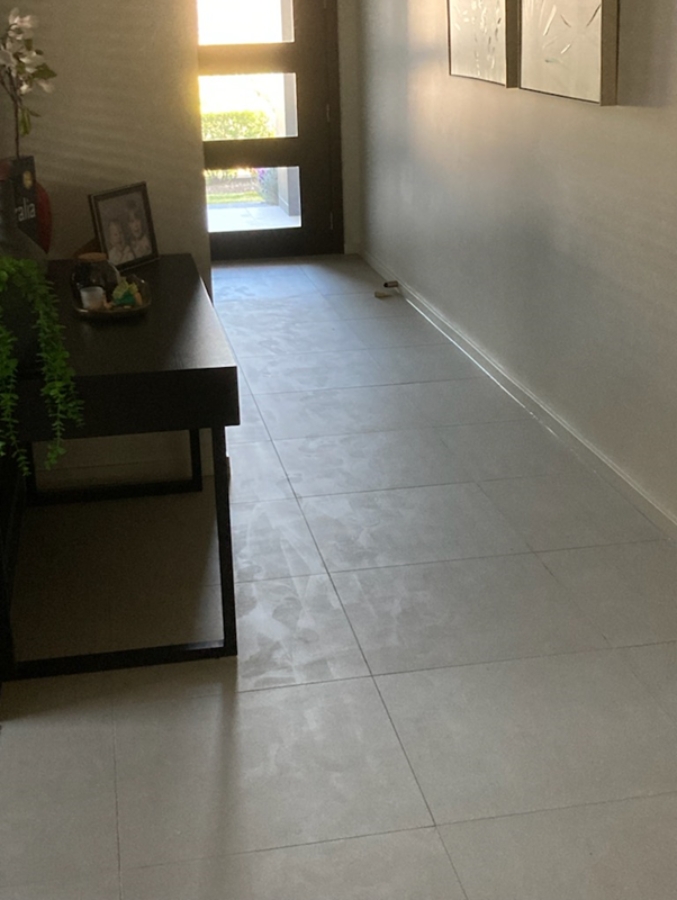
“Detergent haze” doesn’t appear overnight - it builds up slowly over time. Most everyday floor cleaners leave behind a thin film of residue after each use. At first, you won’t notice it, but layer upon layer eventually creates a dull, cloudy coating on your tiles' surface.
-
High-pH cleaners - Heavy-duty or grease-cutting products are more alkaline and tend to leave more residue behind.
-
Insufficient rinsing - If the floor isn’t rinsed properly with fresh water, leftover detergent clings to the surface.
-
Using too much product - Adding more cleaner than necessary only speeds up the build-up.
Over months or even years, these habits combine to create the hazy look that makes tiles appear dirty or streaky, even straight after you’ve cleaned them.
Before You Start – Tools Checklist
-
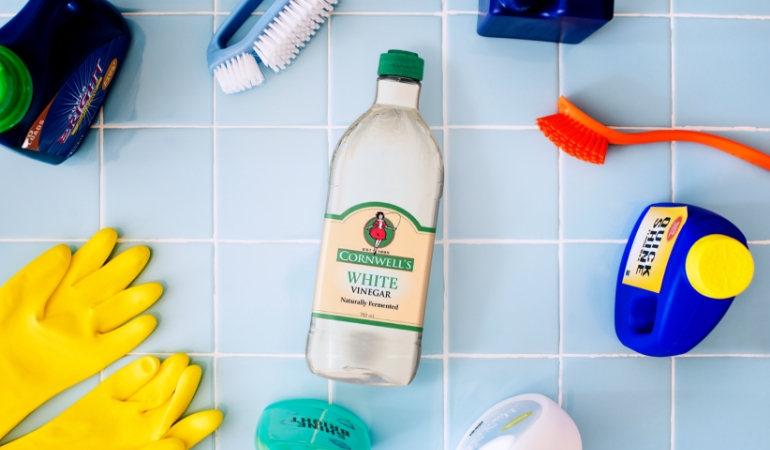
White vinegar & hot water (for porcelain/ceramic)
-
Baking soda (optional, gentle scrub)
-
Commercial tile cleaner (for stubborn haze on man-made tiles)
-
Microfibre mop or cloths
-
Bucket for solution & clean rinse water
-
Soft pad/sponge & small brush for grout
-
Towels for drying
-
Gloves and good ventilation
Safety checklist
-
Test first – try your solution on a small hidden spot before treating the whole floor.
-
Protect yourself – wear rubber gloves; use safety glasses if handling stronger cleaners.
-
Ventilate – open windows and doors when using vinegar or commercial products.
-
Work small – clean 2–3 m² at a time so the solution doesn’t dry on the tiles.
-
Rinse well – always mop with fresh water after cleaning to stop residue re-settling.
- Follow labels – commercial cleaners are stronger; read instructions carefully.
How to Remove “Detergent Haze” from Tiles
The products that caused the haze are alkaline, so you’ll need a mild acidic solution to break them down.
Mild detergent haze can often be treated at home. However, if the residue has become thick and obvious, professional cleaning will be necessary.
If you'd like to tackle this challenge yourself, here's our suggestion:
Step 1 – Identify Your Tile Type
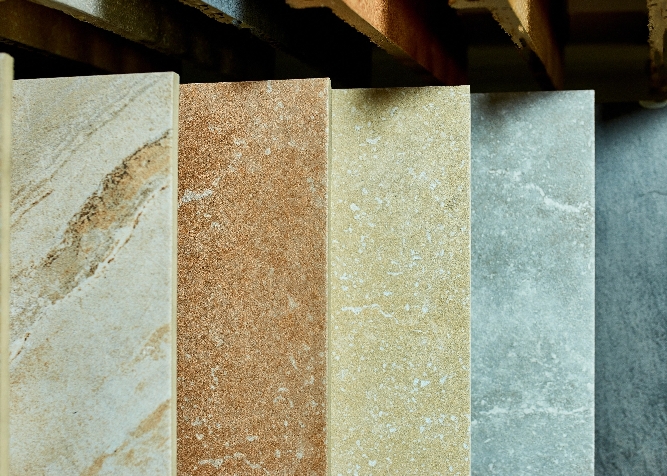
Before you start cleaning, it’s important to work out what type of tiles you have. Using the wrong product can cause permanent damage.
-
Natural stone tiles (such as marble, terrazzo, limestone, travertine, bluestone)
-
Never use vinegar or acidic cleaners - they will etch the surface and damage the finish.
-
If your stone tiles have detergent haze, you’ll need a professional tile cleaning service. They may use solvent gels or other specialist methods that are safe for stone.
- Professionals may use solvent gels or specialist products designed for stone-safe haze removal.
-
-
Man-made tiles (such as porcelain and ceramic)
-
These tiles are more durable and can safely be treated with mild acidic solutions like diluted white vinegar.
-
In most cases, detergent haze on man-made tiles can be removed with a DIY method.
-
Step 2 – Choose the Right Cleaning Solution
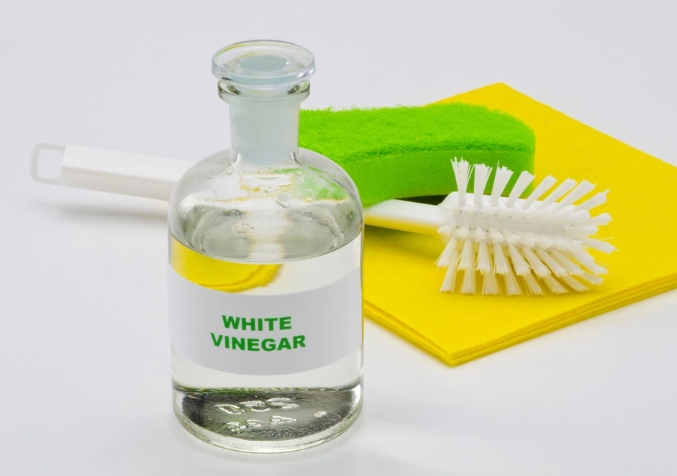
For porcelain and ceramic tiles
-
Mix 1 litre white vinegar with 4 litres of very warm water.
-
Heat helps loosen the residue, so the hotter the water (within reason), the better.
For stubborn haze on man-made tiles
-
Use a stronger acidic tile cleaner (e.g., Reveal from Peerless Jal).
-
Follow the instructions carefully - these products are more powerful and designed for professional use.
For natural stone tiles
-
Do not use vinegar or acid-based products, as they will damage the surface.
-
Contact a professional tile cleaning service.
Some acid tile and grout cleaning products that are suitable for the job can be bought online. However, we recommend taking great care with these products as they are often designed for professionals. One product we recommend for detergent build-up is Reveal from Peerless Jal.
Step 3 – Apply the Product
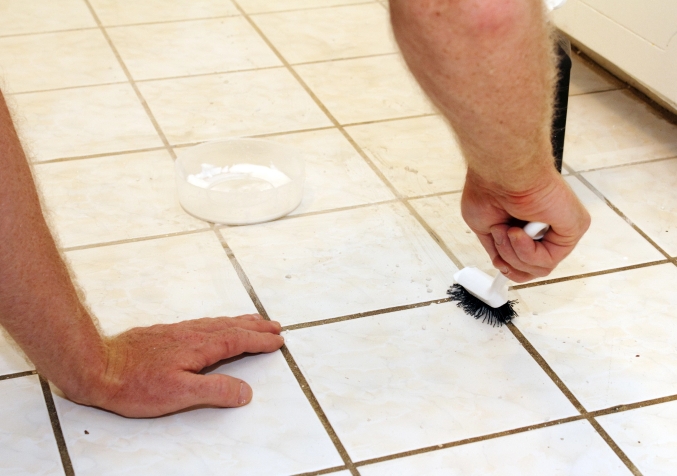
-
Sweep or vacuum first so dust and grit doesn’t scratch the tiles.
-
Mop the solution over a small area (about 2–3 m²).
-
Leave it for about 5 minutes, but don’t let it dry.
-
Gently scrub the surface with a microfibre mop or cloth; use a soft brush for grout.
-
Dry the area with a towel to lift away the loosened residue.
-
Rinse thoroughly with clean water and let dry.
-
Repeat if needed until the haze is gone.
Tip: Use two buckets — one for your vinegar mix and one with fresh water for rinsing.
What about the grout lines?
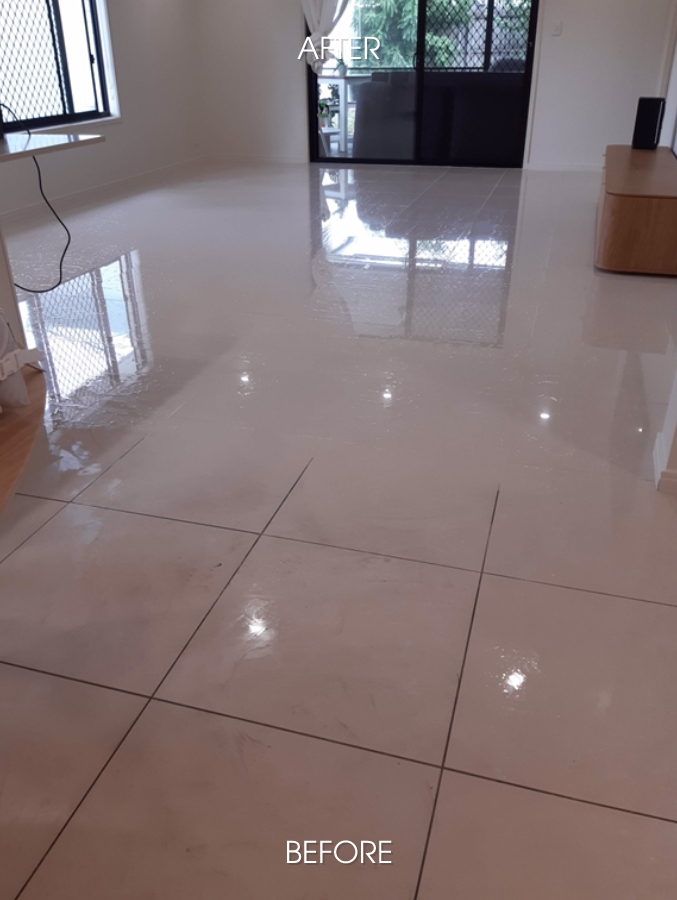
Floors with detergent haze will often have dirty grout lines.
If you agitate the diluted vinegar into each grout line with a brush, you'll remove some of the detergent residue and usually be able to lighten the grout lines. Please note that this can sometimes leave a patchy appearance, so test this method in a corner of a room.
If your concern is dark grout lines, professional tile and grout cleaning is probably required.
Other safe DIY alternatives
If vinegar isn’t suitable or the haze is mild, you can try:
-
Baking soda paste: Mix baking soda and water. Apply to hazy spots and scrub gently. (Safe for porcelain and ceramic tiles.)
-
Steam cleaning: A steam mop or handheld steamer removes detergent residue without chemicals. (Great if you dislike the smell of vinegar.)
-
Hot water and microfibre mop: Works for light haze. Always rinse with fresh water.
- For grout: Scrub lines with baking soda paste and a toothbrush, or use a steam cleaner with a grout attachment.
When to Call a Professional

If the haze remains after several rounds of cleaning, or if it’s visibly thick, DIY solutions may not be enough.
Electrodry’s professional Tile and Grout Cleaning Service includes:
-
A demonstration clean on two tiles as part of the quoting service.
-
A $50 quoting fee, which is fully refundable if you proceed with the service.
This way, you’ll see the results before committing - and your tiles can look brand new again.
Final Thoughts
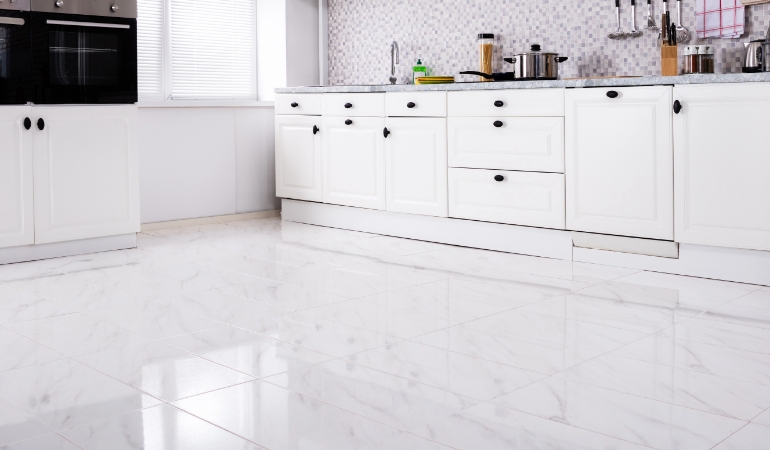
We hope you can put a smile back on your tiles!
To help prevent detergent haze from returning, we recommend TilePro Tile Cleaner, available from our online store.
It’s a high-performance, pH-neutral detergent that won’t cause haziness or streakiness.
