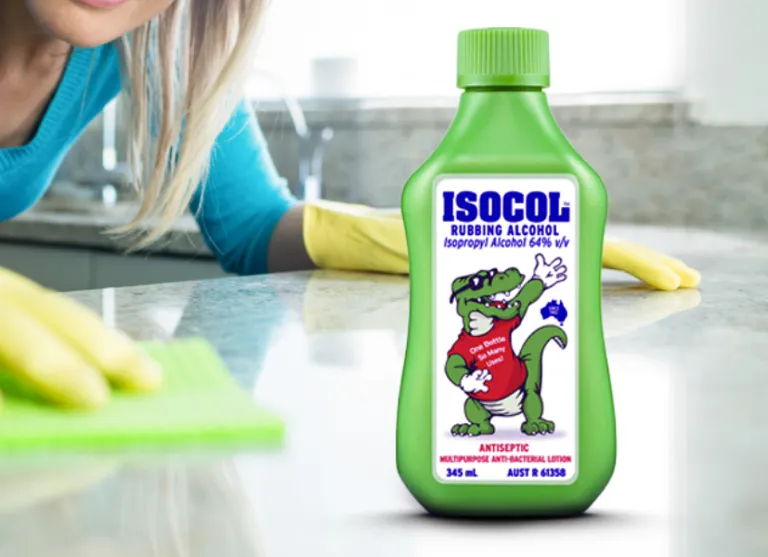
Isopropyl alcohol, more commonly referred to as rubbing alcohol, is one of the most underrated cleaning products available. It is such a versatile and effective disinfectant, and its uses are almost endless.
This wonder product has so many applications that you will be totally amazed when you learn just what you can do with it.
Quick Summary – 70% Rubbing Alcohol Hacks
- Leather: wipe small marks (spot-test first).
- Mirrors: spray to clear sticky hairspray residue.
- Kitchen: cut grease fast.
- Carpets: dab stains (oily/sugary, don’t scrub).
- Freshener: mix with essential oils, spritz rooms.
Stubborn stains? Call Electrodry on 13 27 13.
What is rubbing alcohol?
Rubbing alcohol is comprised of 70% isopropyl alcohol, water, and other chemicals.
It has amazing cleaning and disinfecting properties, dries extremely quickly, and doesn’t leave any residue, which makes it very easy to use.
Whether you are looking at cleaning leather furniture with alcohol or removing a stubborn stain from your carpet, rubbing alcohol can usually do the trick! You’ll find it at most major supermarkets and hardware stores like Bunnings.
Quick Tip: Buying isopropyl alcohol on-line through sites such as Dick Smiths is much more cost effective than purchasing from retail stores.
However, before we get too carried away, a word of caution: the fumes from rubbing alcohol can be quite powerful, so make sure you use it in well-ventilated areas.
Stick with the 70% solution. It stays wet longer than higher concentrations, which helps with cleaning and disinfecting around the home. Anything above 90% is usually meant for commercial or industrial use and is not recommended for household cleaning.
10 Ways to Use Rubbing Alcohol for Cleaning
1. Cleaning leather with alcohol
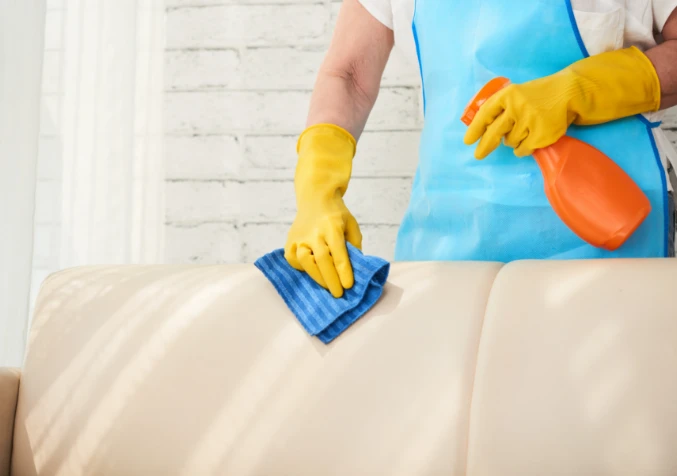
Kids will be kids, and quite often, the world is their canvas. Unfortunately, leather sofas don’t take too well to pens or textas.
Got pen marks on your beautiful sofa? Don’t worry — there’s an easy fix!
Try dabbing the ink mark with rubbing alcohol and wiping it with a clean cloth. Just be careful not to scrub too hard, as you may lift the colour from the lounge.
Always test on a small or hidden area first. Once the area has fully dried, apply a leather conditioner or moisturiser, as rubbing alcohol can cause leather to dry out and crack over time.
2. Removing hairspray residue
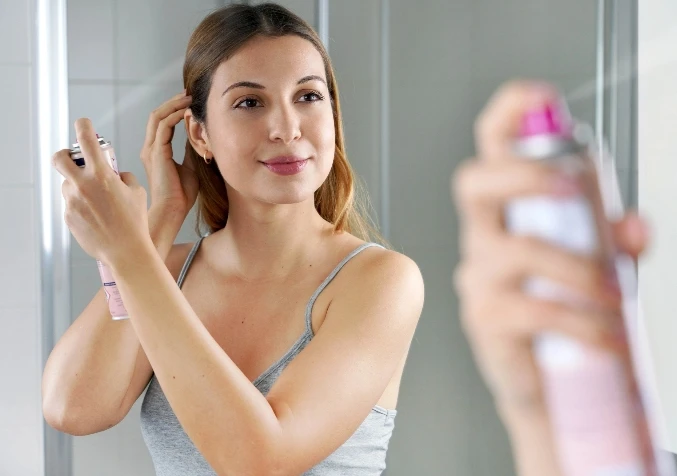
Does your mirror or vanity unit have a sticky residue left over from using hair spray?
Over time, hairspray leaves behind a lacquer-like film that can be tricky to remove. But rubbing alcohol comes to the rescue!
Simply spray the mirror with rubbing alcohol and wipe it clean with a paper towel or soft cloth. Problem solved — shiny and streak-free again!
3. All-purpose kitchen degreaser
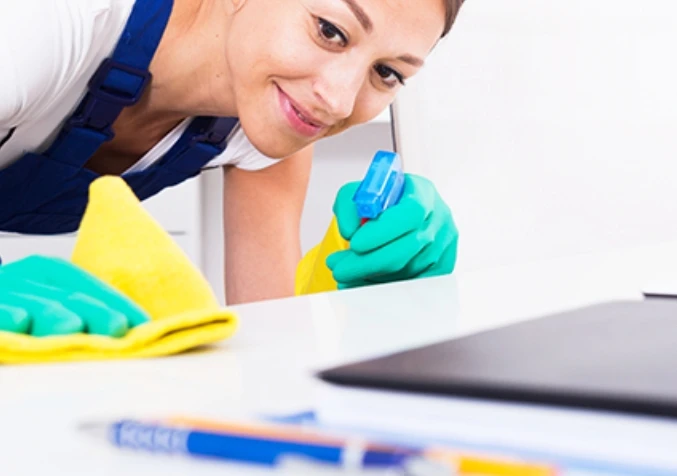
Do you have greasy residue on your stove or benchtops?
Your kitchen stove and benchtops easily collect oil and grime. If regular cleaners leave smears, it’s probably a layer of old cleaning product sitting on top of the grease.
Wipe down your surfaces with rubbing alcohol on a clean cloth. It’ll cut through oil, dissolve residue, and leave your benchtops sparkling.
4. Carpet stain remover
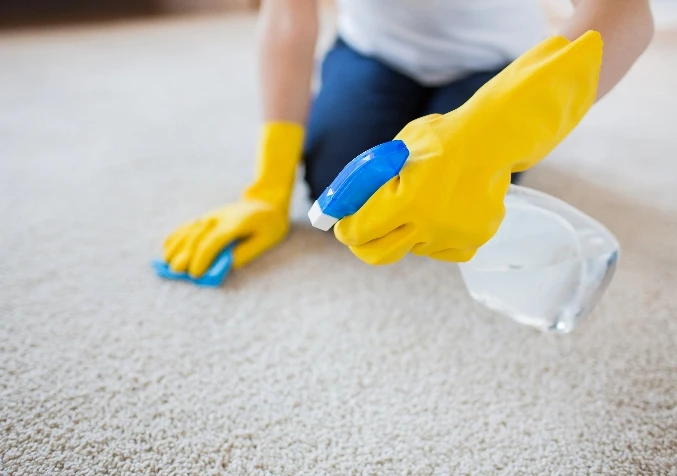
If you’ve got dark or greasy spots on your carpet, rubbing alcohol can help.
These stains are usually caused by sugar or oil residues that attract more dirt over time. A light spray of rubbing alcohol, followed by gentle blotting with a clean cloth, often refreshes your carpet’s appearance.
Just remember not to rub too hard and avoid abrasive tools that may damage the carpet fibres.
RECOMMENDED READING
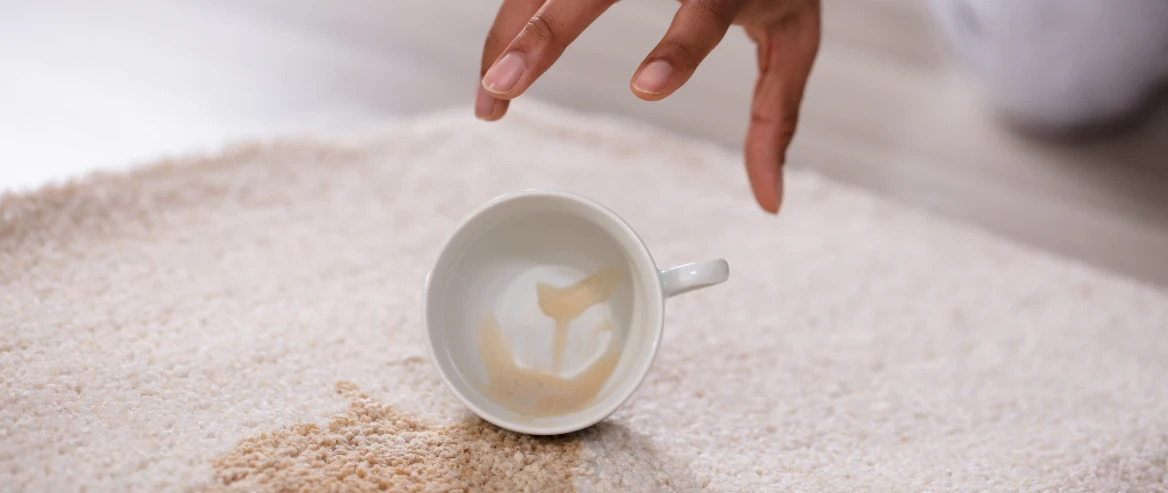
How to Remove a Coffee Stain from Carpet5. Air freshener
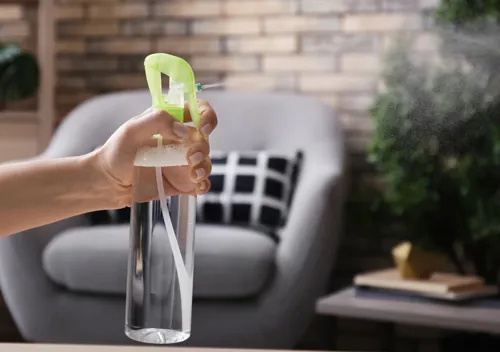
Bad odours can appear out of nowhere — especially if you’ve got pets or unexpected visitors.
Most people reach for store-bought air fresheners, but some aerosol sprays contain CFCs, which can be harmful.
As a safer alternative, mix 1 cup of rubbing alcohol with 10–15 ml of essential oil and place it in a spray bottle.
You can even mix fragrances, such as grapefruit and lavender, for a fresh, natural scent that’s safe for your home and family.
6. Homemade disinfectant
Luckily, there’s an easy way to kill germs without harsh supermarket chemicals.
Mix 1 part rubbing alcohol, 1 part water, and add a drop of essential oil. Spray onto surfaces and wipe clean.
You can use this homemade disinfectant just about anywhere — kitchen, bathroom, laundry, toilet, and even pet beds!
7. Clean venetian blinds
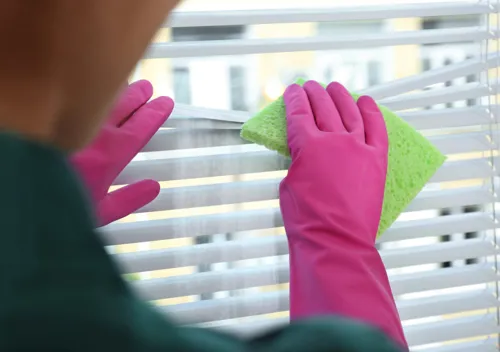
Venetian blinds easily collect dust and grime, becoming both an eyesore and a health hazard.
For best results, spray rubbing alcohol onto the blinds and wipe with a clean cloth. It breaks down sticky residue, removing the dirt that clings to it.
Make sure your blinds are open so air can circulate between each slat. Rubbing alcohol dries quickly — you’ll be done in no time!
Tip: Clean your blinds monthly for best results.
8. Deodorise shoes
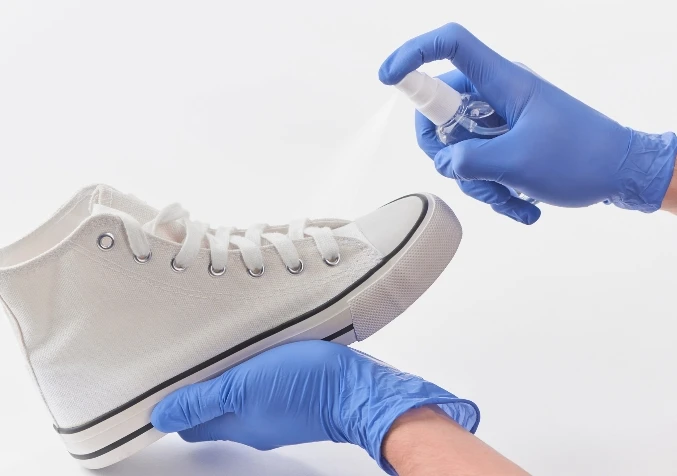
Smelly shoes can be embarrassing — they can stink up a room, car, or even your office cubicle.
Luckily, there’s a simple solution: rubbing alcohol!
Spray undiluted rubbing alcohol into your shoes. The alcohol will kill odour-causing bacteria and leave your shoes fresh once dry.
9. Cleaning bathroom fixtures
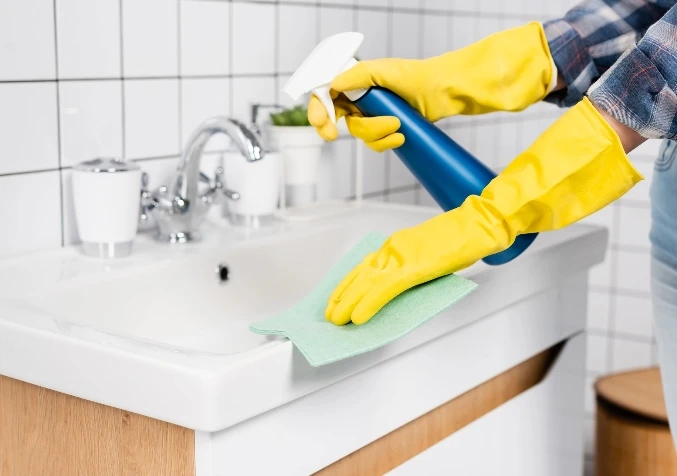
Does the stainless steel in your bathroom look dull or streaky?
Rubbing alcohol is a great way to clean and disinfect any bathroom surface, but it works especially well on chrome, glass, and stainless steel.
Simply apply a little rubbing alcohol to a cloth and wipe your fixtures clean. It’ll remove bacteria and leave a streak-free shine.
Your bathroom will look brand new in no time!
10. Removing stickers
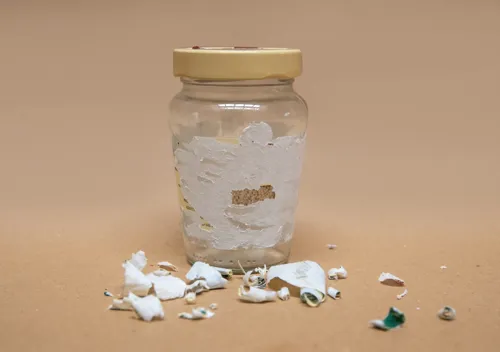
Do you get frustrated by the sticky residue left behind from stickers, labels, or price tags?
Instead of scraping them off, soak a paper towel or cloth in rubbing alcohol and wipe the area.
If it’s still sticky, lay a rubbing alcohol–soaked rag over the spot for a few minutes before removing it - the residue should come right off!
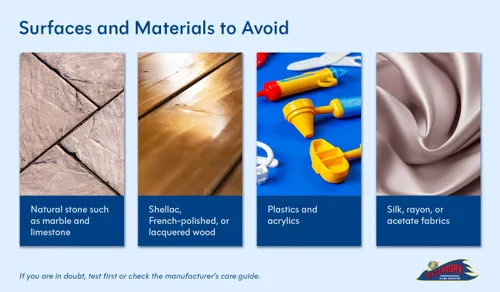
Surfaces and materials to avoid
-
Natural stone such as marble and limestone.
-
Shellac, French-polished, or lacquered wood finishes.
-
Some plastics and acrylics can craze or cloud.
-
Silk, rayon, or acetate fabrics.
- If you are in doubt, test first or check the manufacturer’s care guide.
Final Thoughts

As we can see from the above, rubbing alcohol is a very versatile cleaning product and is great for cleaning and disinfecting certain surfaces and removing those pesky little stains around the house.
It is a relatively inexpensive option and is readily available from most supermarkets and convenience stores if you need to remove stains or clean surfaces in a hurry.
However, it is important to understand that it may not be suitable for removing certain types of stains, particularly larger stains. This is where the use of professional cleaning services will help you to achieve the best results.
Large carpet stains, colour loss, leather dye transfer, or flood-related odours often need professional equipment and products. For peace of mind and better results, call Electrodry on 13 27 13.
Bring Your Carpets Back to Life with Electrodry Carpet Cleaning
