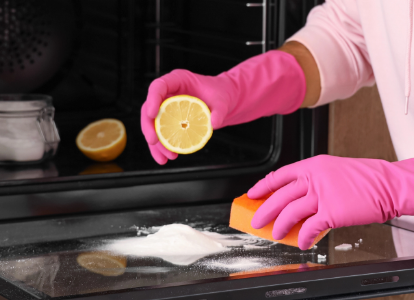
Cleaning your oven is one of the most dreaded kitchen chores. I've even heard someone say they'd rather scrub a public toilet with a toothbrush than tackle their oven! It’s hard yakka—especially if you're relying on harsh, toxic cleaning chemicals.
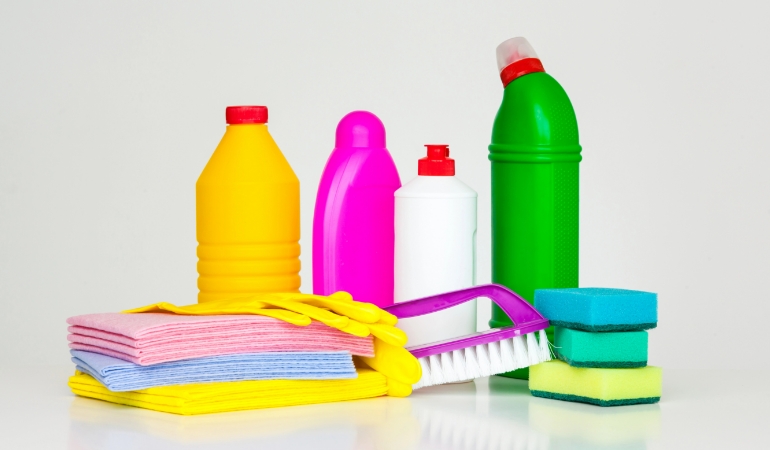
The problem is many oven cleaners contain harmful chemicals that can irritate your skin, eyes, and respiratory system. To help you understand what you're dealing with, here’s a rundown of common ingredients in these products.
Quick Summary – Non-Toxic Oven Hacks
- Light mess: heat lemons in water at 120°C for 30–45 min; wipe.
- Heavy build-up: bicarb + dish soap + salt paste; leave overnight; scrub; rinse with vinegar.
- Racks: soak in hot soapy water or with dishwasher tablet.
Need a pro clean? Call Electrodry on 13 27 13.
Harmful Chemicals Found in Oven Cleaners
-
Butane - Often used as a propellant in cigarette lighters. Inhalation can lead to drowsiness, asphyxia, and cardiac arrhythmia.
-
Diethylene Glycol Monobutyl Ether - Listed as a neurotoxin, reproductive toxicant, and harmful to the cardiovascular system, kidneys, and liver.
-
Monoethanolamine (MEA) - Can irritate airways, cause severe burns, and damage eyes, tissues, kidneys, and liver.
-
Sodium Hydroxide - Highly caustic and effective at dissolving grease but can cause serious chemical burns.
Luckily, you don’t need these harsh chemicals to clean your oven. Instead, try natural oven cleaners with lemon or bi-carb soda to keep things non-toxic and effective.
Before You Start: Safety Checklist:

-
Switch the oven off at the wall and ensure it is cool to the touch.
-
Wear gloves and open a window for airflow.
-
Remove trays, racks, and the thermometer. Take off removable knobs on gas ovens if the manual allows.
-
Avoid metal scrapers on glass. Use a silicone spatula or plastic scraper instead.
- Do not use abrasive powders on heating elements or catalytic liners. Spot‑clean around them with a damp cloth.
What You’ll Need (Pantry‑First List)
-
2 lemons, baking dish, clean sponge or cloths
-
Bicarb soda, liquid dish detergent, coarse salt
-
Distilled white vinegar in a spray bottle
-
Non‑scratch scouring pad, silicone spatula, microfibre cloths
Optional: old toothbrush, nylon brush, plastic scraper, newspaper or towels to protect the floor
How to Use Lemon to Naturally Clean an Oven

Lemons are nature’s degreasers! The citric acid in the juice and di-limonene in the peel make them perfect for cleaning. This natural, non-toxic oven cleaner works well for light cleaning or regular maintenance.
-
Slice two lemons in half and squeeze the juice into a baking dish. Toss the squeezed halves in.
-
Add water until the dish is about one-third full.
-
Place the dish in the oven and bake at 120°C for 30–45 minutes. The lemon vapours will soften residue.
-
Let the oven cool, then remove the dish.
-
Use a non-scratch scouring pad or silicone spatula to remove grime.
-
Dip a sponge in the lemon water to wipe down, then towel dry.

RECOMMENDED READING
When Life Gives You Lemons: The Ultimate Guide to Cleaning with LemonsHow to Clean an Oven with Bi-Carb Soda
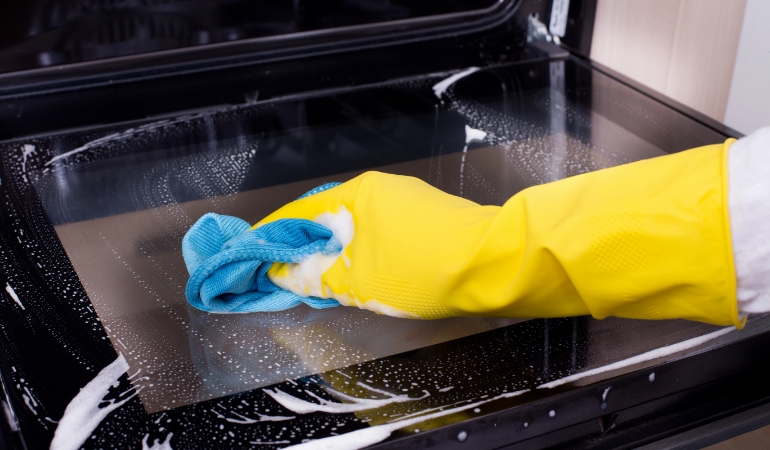
When it’s been a while since your last clean, bi-carb soda can handle the tougher jobs.
What you'll need
-
1/4 cup liquid dish detergent
-
1 cup bi-carb soda
-
1/2 cup coarse sea salt
-
Sponge, scouring pad, and warm water
-
Spray bottle with distilled white vinegar
-
Towel or microfiber cloth
Directions:
-
Mix dish detergent, bi-carb soda, and salt to form a paste. Add water if it’s too thick.
-
Remove oven racks and soak them in the bathtub with dish detergent.
-
Apply the paste to the oven interior, focusing on grimy areas. Leave it for several hours or overnight.
-
Wipe down the oven with a damp sponge, scrubbing as needed.
-
Spray the oven with vinegar to rinse off residue, then towel dry.
-
Scrub the racks in the bathtub, rinse, and dry before placing them back.
Oven Rack Cleaning Hacks
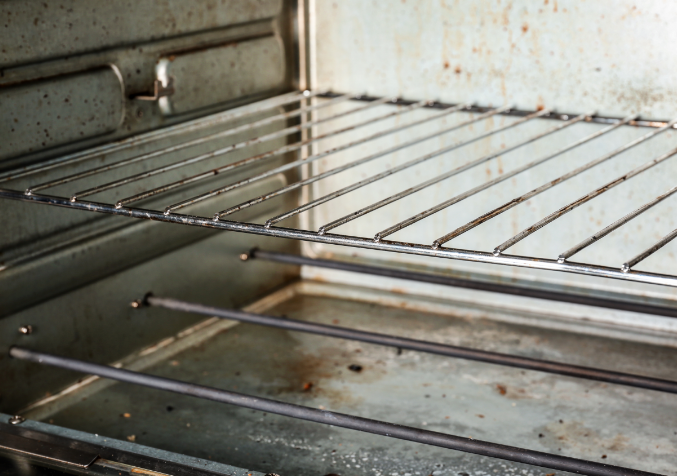
Cleaning oven racks can be a real challenge. If the methods above don’t work, try these hacks:
Hack 1: Clean Racks in the Bathtub
- Lay an old towel in the tub to protect it. Don’t forget the plug!
- Place the racks on the towel, cover them with hot water, and add 1/2 cup dish detergent.
- Soak overnight.
- Scrub with a nylon brush or old toothbrush, rinse, and dry.
Hack 2: Use Aluminium Foil and a Dishwasher Tablet
- Line the tub with foil and fill it with hot water.
- Add a dishwasher tablet - it will react with the foil to loosen grime.
- Let it sit for 3 hours, then drain and wipe down the racks. Don’t forget to rinse!
There you have it! Whether you choose to use lemon to clean your oven, try bi-carb soda, or give the oven hacks a go, you can achieve amazing results with a non-toxic oven cleaner. Say goodbye to harsh chemicals and hello to natural, safe cleaning!
Door Glass and Those Annoying “Drip Lines”
-
Lay the oven door flat.
-
Place damp paper towels over the marks, then spread a thin bi-carb paste on top.
-
Leave for 20 minutes.
-
Wipe and buff with a microfibre cloth.
-
For edges and corners, use a cotton bud dipped in vinegar, then wipe dry.
- Avoid razor blades on tempered glass – they can scratch or cause micro-damage.
How Often Should You Clean?
-
Daily or weekly: Wipe fresh spills once the oven is cool. A 30‑second wipe saves an hour later.
-
Every 6 to 8 weeks: Do a full clean if you cook often.
- After roasting or baking with sugary marinades: Do a quick steam clean to prevent carbonised stains.
Rediscover Shine with Electrodry: Tile and Grout Cleaning
