TL;DR – Key Takeaways
-
Keep indoor humidity between 40–60% to prevent mould, odours, and damage.
-
Watch for early signs such as condensation, musty smells, or damp walls.
-
Use commercial-grade dehumidifiers or schedule professional inspections for recurring dampness.
-
Managing humidity keeps guests comfortable, tenants happy, and properties protected.
Why Humidity Control Matters for Managed and Hospitality Properties
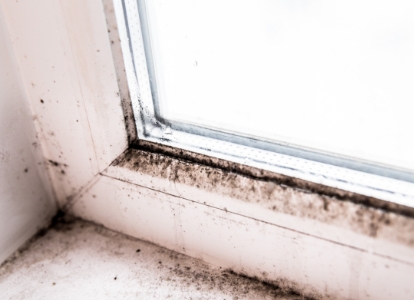
Humidity isn’t just a comfort issue — it’s a silent problem that can affect property condition, hygiene, and customer experience. When moisture builds up, it encourages mould growth, damages walls and finishes, and leaves behind musty odours that tenants and guests immediately notice.
For property managers, hoteliers, and restaurateurs, high humidity can mean tenant complaints, poor guest reviews, and expensive maintenance work. Managing moisture levels effectively ensures healthier indoor air, protects furnishings, and reduces energy strain on HVAC systems.
The ideal indoor humidity level is between 40% and 60%. Anything higher allows mould and dust mites to thrive; anything lower can dry out timber, irritate airways, and affect air quality.
Spot the Early Signs of Moisture Problems
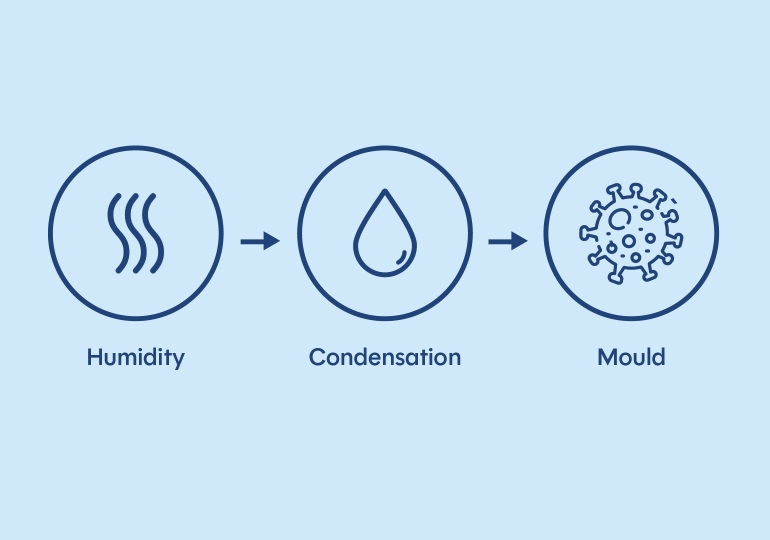
Humidity issues often start small and go unnoticed until mould appears or odours set in. Recognising early warning signs helps you act before damage occurs.
Common indicators include:
-
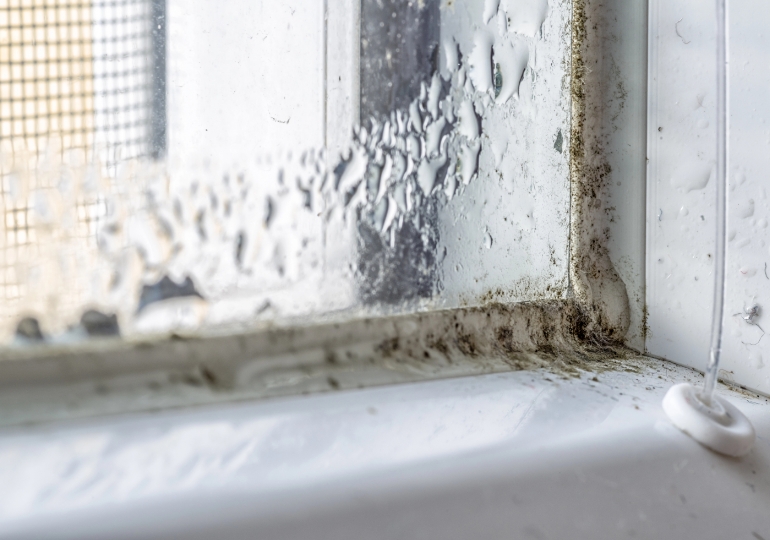
Condensation forming on windows, vents, or ceilings
-
Persistent musty smells or “stale air” in rooms
-
Peeling paint or bubbling plaster on walls
-
Damp patches behind furniture or near skirting boards
-
Guests or tenants mentioning air discomfort or allergy-like symptoms
Additional Checks for Hospitality Spaces
-
In restaurants, monitor humidity in kitchens, cool rooms, and dishwashing areas where steam and heat are constant.
- In hotels, inspect bathrooms and air-conditioned rooms where moisture can build up unnoticed, particularly around vents or under carpets.
Why Acting Early Matters
Moisture problems escalate quickly. What starts as light condensation can lead to structural repairs or recurring mould remediation if left unchecked. Early intervention saves money, maintains compliance, and protects your brand reputation.
How to Keep Humidity Under Control

Inspect and Ventilate Regularly
Schedule routine inspections in high-moisture zones such as laundries, kitchens, and bathrooms. Make sure exhaust fans are working and that tenants or staff know to use them. Encourage occasional airing of enclosed areas.
Use the Right Equipment
In properties or venues with ongoing humidity, install commercial-grade dehumidifiers. Choose continuous-drainage models for 24-hour operation and greater efficiency. For large venues, multiple units may be required to cover all areas evenly.
Maintain Equipment and Airflow
Clean dehumidifier filters every few weeks, and keep at least 20–30 cm of clearance around units for airflow. For hotels and restaurants, ensure HVAC filters and ceiling vents are included in regular maintenance schedules.
Adjust for Seasonal Conditions
Run dehumidifiers more often during wet seasons. In summer, use them in air-conditioned rooms to speed up drying and prevent condensation from temperature differences.
When to Call a Professional
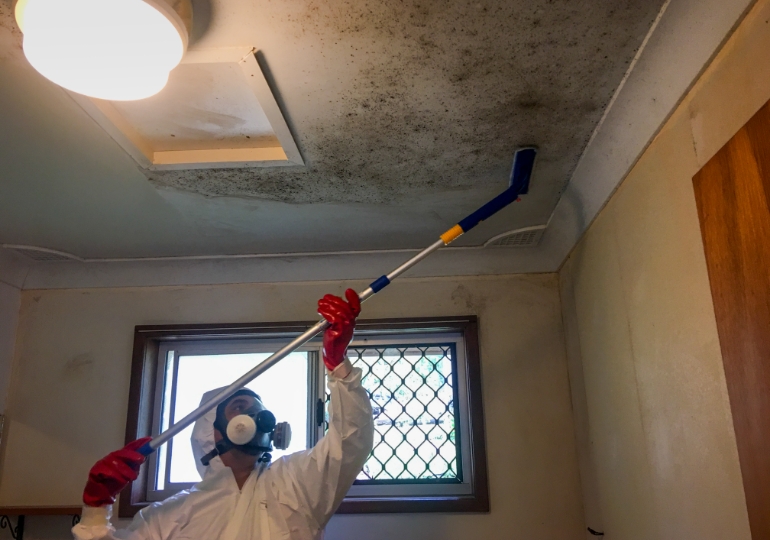
If you’re seeing recurring dampness, odours, or visible mould despite ventilation efforts, it’s time for a professional moisture assessment. Hidden problems — such as leaks behind walls, subfloor moisture, or roof seepage — often need specialist tools to detect.
Our Commercial and Real Estate Mould Cleaning Team works with property managers, strata bodies, hotels, and restaurants nationwide. We identify and treat the source of moisture using professional-grade moisture meters and antimicrobial solutions, helping to stop mould at its root.
This service is ideal for:
-
Rental turnovers before new tenants move in
-
Strata and shared areas with limited airflow
-
Hotels and resorts needing quick, discreet remediation
- Restaurants and commercial kitchens dealing with persistent humidity or odours
Fast turnaround, minimal downtime, and no harsh chemical residue.
Energy-Efficient Humidity Management Tips

-
Keep windows and doors closed while dehumidifiers are running.
-
Use eco or automatic humidity control settings to reduce power use.
-
Combine ceiling or exhaust fans with dehumidifiers for faster air circulation.
-
For continuous use, connect drain hoses instead of manually emptying water tanks.
- In kitchens or laundry facilities, run ventilation systems slightly longer after hours to clear residual moisture.
The Bottom Line
Proactive humidity control is one of the simplest ways to avoid mould complaints, preserve indoor air quality, and protect property value. Whether you manage apartment complexes, office spaces, or hotels, consistent monitoring and professional support keep interiors cleaner, safer, and longer-lasting.
Talk to Us
If your properties or venues are struggling with recurring dampness or mould complaints, we can help.
Contact the Electrodry Commercial Team
📞 1300 543 040
✉️ commercial@electrodry.com.au
We provide tailored humidity and mould management programs for real estate, strata, hospitality, and commercial partners across Australia.
