
Most cleaning solutions we use at home, and on ourselves, come from animal-fat-derived soaps and petrochemicals. Usually, a combination of the two. Electrodry has the secret to a more natural option you can use. Castile soap is a non-toxic, vegetable-based soap that is an amazing all-purpose alternative to lather up with in the bath or use as a general cleaner around the home.
When it comes to soaps, there are 2 main types. Tallow, which is derived from animal fat and is the basis for most soaps we purchase or castile soap, which is derived from vegetable oils and should contain no additional chemicals.
Castile soap dates back over 500 years and was traditionally made from an olive oil base. These days they’re often made with coconut oil, olive oil and hemp oils, with avocado oil recently being added to some castile soap mixes.
Quick Summary – Castile Soap Swap
- Natural: Plant-based (olive, coconut, hemp); no animal fat or harsh chemicals.
- Dilute: Use ¼ cup in 1 L water for spray; stronger mix for floors.
- Rinse: Add vinegar to rinse water to clear residue.
- Value: ~£8–15 per litre; lasts longer than shop-bought cleaners.
Check Electrodry's blog for more DIY cleaning tips.
Facts About Cleaning Using Castile Soap
How does castile soap work?
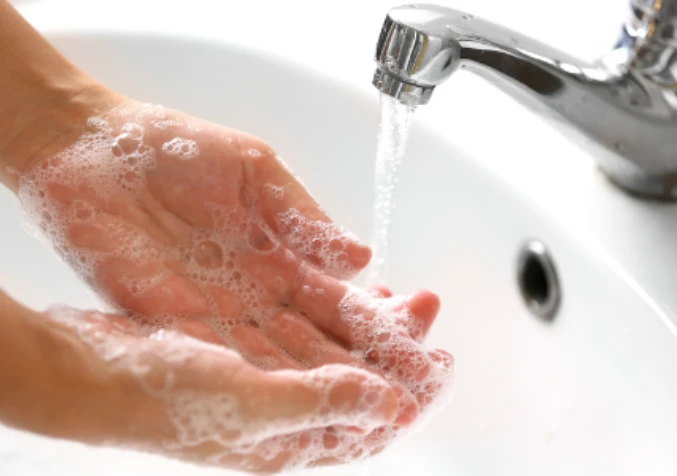
Soap molecules (including Castile soap molecules) have one end that repels water and another that attracts water. When water and soap come together, free-floating charged atoms form that attract and encapsulate dirt and other non-water-soluble molecules, such as grease and oil.
This grease-grabbing ability is what makes castile soap such an amazing cleaner on oven tops and greasy pots and pans.
Should I use castile soap straight or dilluted?

Castile soap usually comes in liquid form, making it easy to dilute. The strength of your castile soap solution will vary depending on the task you’ve got planned:
Dilution Rates for Using Castile Soap
-
Mopping floors - 1/3 cup of soap in 12 litres of warm water
-
All-purpose cleaning - ¼ cup of soap to 1 litre of water in a spray bottle. We recommend adding ¼ cup of tea tree oil for its additional disinfecting properties.
-
Toilet cleaning - Mix with water at a ratio of 1:4 in a squirt bottle and add ¼ teaspoon of tea tree oil. Squirt the toilet bowl thoroughly, then sprinkle bi-barb soda on the brush and scrub. Leave for 10 minutes and flush the toilet.
-
Window cleaning - We often recommend using white vinegar to clean windows, but on super-dirty windows, vinegar sometimes doesn’t quite cut the mustard. For grimy windows, try this:
-
Mix 1 tablespoon of soap in a litre of warm water in a spray bottle. Spray the window, then wipe with a microfibre cloth.
-
Spray the window with a 50/50 mixture of white vinegar and water and wipe off. The results will amaze you!
-
Do I need to neutralise castile soap?
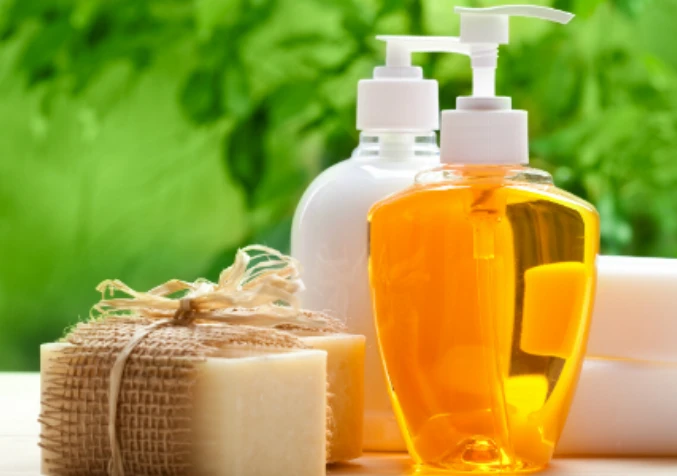
If Castile soap is used at a strong concentration or on a porous surface, it may leave a slight residue if not neutralised. The best way to neutralise is with a mild acid such as white vinegar. To prevent residue from castile soap build-up, you could try:
-
Mopping - After every 4th clean, mop the floor with a mild vinegar-water solution.
-
Clothes washing - If you use castile soap for washing your clothes, place a small amount of white vinegar in the fabric softener dispenser of your washing machine. That way, the vinegar will neutralise your clothes in the rinse cycle.
How much does castile soap cost?
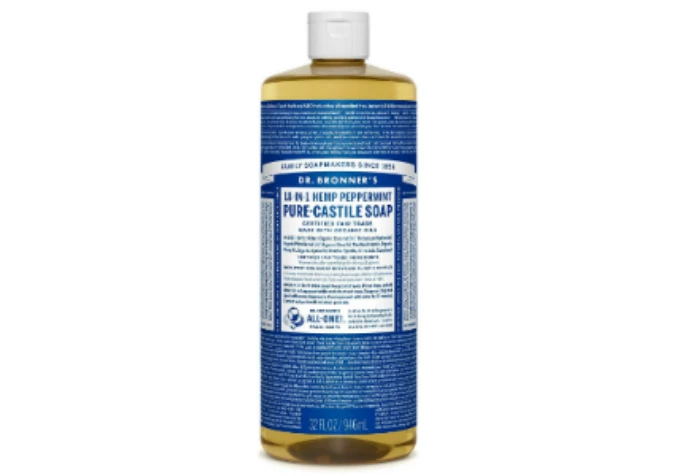
The easiest way to buy Castile soap is online. Dr Bronner's is the best-known brand and has the widest variety of castile soaps at roughly $30 per litre. If you’re using castile soap for personal use, then Dr Bronner's is probably the best way to go.
If you’re after plain castile soap, then we recommend you Google Aussie Soap Supplies. They sell unscented castile soap for about $15 per litre, which you can fragrance with aromatic oils of your choice.
